When you finally realize that you’re an adult on the autism spectrum, the next Visit this page step can feel like navigating a maze of paperwork and appointments. The good news? You’re not alone, and there are clear steps to make the insurance claim process smoother. In this guide, we’ll walk through the adult autism assessment, the insurance claim steps, and practical advice to help you secure the support you deserve—all while sprinkling in a touch of humor to keep the mood light.
Understanding the Adult Autism Assessment
What Does an Adult Autism Assessment Involve?
An adult autism assessment is more than a quick questionnaire. It’s a comprehensive evaluation that typically includes:

- Clinical interview: A conversation with a specialist about your developmental history and current challenges. Standardized tests: Tools like the Autism Diagnostic Observation Schedule (ADOS) or the Autism Diagnostic Interview-Revised (ADI-R). Collateral information: Input from family, close friends, or colleagues who can provide context. Medical review: Checking for co‑occurring conditions such as ADHD, anxiety, or sensory sensitivities.
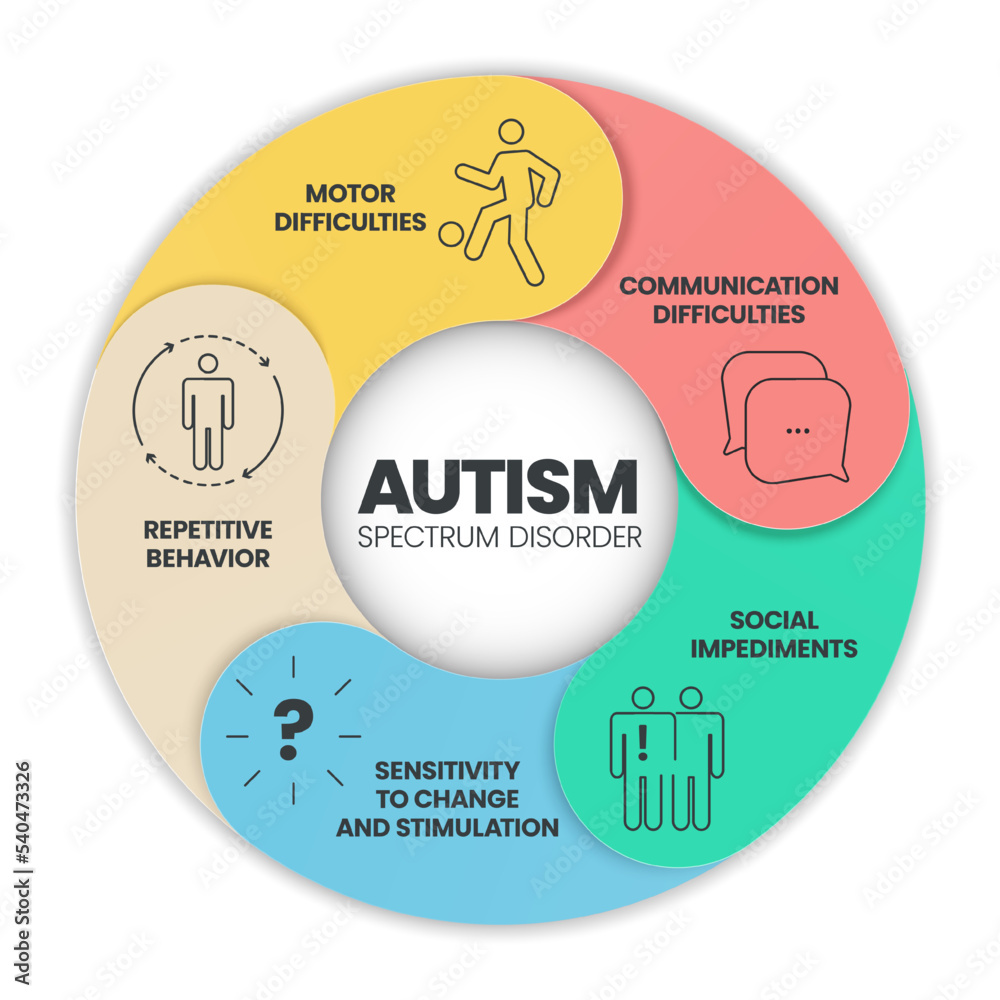
The goal is to paint a full picture of how autism manifests in your daily life, which is essential for accurate diagnosis and insurance coverage.
Why the Assessment Matters for Insurance Claims
Insurance companies often require a formal diagnosis before approving services such as therapy, occupational aids, or workplace accommodations. Without a documented assessment, your claim may be denied or delayed. Think of the assessment as the key that unlocks a treasure chest of support—without it, the chest remains stubbornly locked.
The Insurance Claim Process: Step‑by‑Step
1. Gather Your Documentation
Before you even call your insurer, compile the following:
- Medical records from any previous evaluations. School or university transcripts that might highlight early signs. Personal journal entries or notes on daily challenges. Letters from employers describing accommodations or performance issues.
Having everything organized saves time and reduces back‑and‑forth communication.
2. Choose the Right Provider
Not all clinicians are equal when it comes to insurance claims. Look for:
- Board‑certified psychologists or psychiatrists with experience in adult autism. Providers who have worked with insurance companies and understand the claim process. Clinicians who can provide a detailed report that meets your insurer’s specific requirements.
A well‑qualified provider can streamline the paperwork and improve your chances of approval.
3. Submit the Claim
Most insurers use an online portal, but you can also submit via fax or mail. The claim packet should include:
- Completed claim form (often available on the insurer’s website). Assessment report with diagnosis, recommended services, and estimated costs. Supporting documents such as medical records or therapy notes.
Double‑check that every page is signed and dated—missing signatures are a common claim‑rejection reason.
4. Follow Up
After submission, keep an eye on the status. If the insurer requests additional information, respond promptly. A quick reply can be the difference between a “pending” status and a “denied” one.
5. Appeal If Necessary
If your claim is denied, don’t despair. Most insurers allow a formal appeal within 60 days. Your appeal should:
- Explain why the denial was incorrect (e.g., missing documentation, misinterpretation of diagnosis). Provide additional evidence (new test results, expert opinions). Highlight the impact of denied services on your daily life.
A well‑crafted appeal can overturn a denial and unlock the benefits you need.
Practical Advice to Navigate the Process
Keep a “Claim Diary”
Just as you might keep a journal to track symptoms, maintain a claim diary. Note:
- Dates of appointments and assessments. Names of people who assisted (e.g., insurance representatives, clinicians). Any communication, including emails and phone calls.
This diary becomes a handy reference if you need to resolve disputes or track progress.
Ask the Right Questions
When speaking with your insurer, consider asking:
- “What specific documentation does the policy require for an autism diagnosis?” “Are there preferred providers or assessment formats?” “What is the typical turnaround time for a claim decision?”
These questions not only clarify expectations but also demonstrate your proactive engagement—something insurers appreciate.
Leverage Support Networks
Many advocacy groups offer resources and sometimes even legal assistance for navigating insurance claims. Joining a local autism support group can provide:
- Shared experiences from others who’ve successfully navigated the process. Templates for claim letters or appeal statements. Moral support when the paperwork feels overwhelming.
Stay Patient, But Persistent
Insurance processes can be slow, but persistence pays off. Remember the quote by Maya Angelou: “Do the best you can until you know Clinical psychologist better. Then when you know better, do better.” Use this as a mantra when you hit roadblocks.
A Brief Anecdote
I once helped a friend, Alex, who had recently completed his adult autism assessment. He was excited but terrified of the insurance claim. We sat down with his provider’s report, organized his documents, and filled out the claim together. When the insurer called asking for additional information, Alex was ready—he had already drafted a concise response. The claim was approved in record time, and Alex received coverage for a specialized occupational therapist. Seeing his relief was a reminder that preparation truly is the best medicine.
Making Your Claim Work for You
The Final Checklist
- Complete assessment report from a qualified clinician. All supporting documents (medical, academic, personal). Accurate claim form with required signatures. Follow‑up plan to respond to insurer inquiries promptly. Appeal strategy in case of denial.
A Call to Action
If you’re an adult on the autism spectrum and haven’t yet pursued a formal assessment, consider scheduling an appointment with a reputable provider today. Once you have your diagnosis, use this guide to navigate the insurance claim process with confidence. Remember: the right assessment is your ticket to the support you deserve, and with careful preparation, the claim process can become a smooth ride—rather than a bureaucratic roller coaster.
Good luck, and may your journey toward comprehensive care be as smooth as a well‑tuned playlist.